
Deputy Study Director
Priv.-Doz. Dr. med. habil. Benjamin Friedrichson, MHBA
Dr. Benjamin Friedrichson is a distinguished anaesthesiologist and clinical scientist. He studied medicine at Goethe University in Frankfurt and furthered his expertise by earning a Master of Health Business Administration from FAU Erlangen-Nürnberg. His academic background and advanced training uniquely position him at the intersection of clinical practice and healthcare management, allowing him to contribute significantly to both fields. Dr. Friedrichson's work is characterized by a commitment to integrating clinical excellence with innovative healthcare business practices.
Recent Publications
Sci Rep. 2026.
Nationwide trends in incidence and in-hospital mortality of ARDS in Germany, 2008-2022.
Acute respiratory distress syndrome (ARDS) remains a major contributor to morbidity and mortality among critically ill patients. Recent events such as the COVID-19 pandemic and demographic changes have likely influenced its epidemiology. This study aimed to investigate nationwide trends in ARDS incidence and in-hospital mortality among adult intensive care patients in Germany over a 15-year period and to describe demographic and clinical differences between survivors and non-survivors. We conducted a retrospective nationwide cohort study using hospital discharge data from the German Federal Statistical Office. All adult patients diagnosed with ARDS (ICD-10 code J80) and treated in intensive care units between 2008 and 2022 were included. Among 87,488 patients, 52.2% died during hospitalization. The incidence increased significantly before the pandemic, peaking at 21.0 per 100,000 inhabitants in 2021. In-hospital mortality declined from 54.2% in 2008 to 50.8% in 2018, followed by an increase up to 53.8% in 2021 and a slight decline thereafter. Non-survivors were older (68 vs 60 yr), had a greater comorbidity burden (Elixhauser index 17 vs 12), and more severe ARDS (54.2% vs 41.1%). Mortality was highest among patients aged 90 to 94 years (82%). COVID-19-related cases had a higher observed in-hospital mortality (53.5% vs 51.8%) and a higher proportion of severe ARDS (77.2% vs 38.6%). ARDS incidence and in-hospital mortality remain high. The low detection of mild to moderate ARDS highlights the need for better diagnostic tools and standardized criteria. Elderly patients are especially vulnerable, underscoring the need for age-specific therapies and improved early detection.
Dtsch Arztebl Int. 2026.
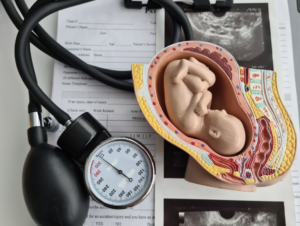
Epidural Analgesia in Labor: A Nationwide Evaluation of Utilization in Germany.
Lumbar epidural anesthesia (LEA) is considered the gold standard for the treatment of pain during vaginal delivery. Despite procedural advances and high maternal satisfaction in surveys, the extent of LEA utilization in Germany and its trend over time remain unclear.
Prehosp Emerg Care. 2026.
Landscape of Extracorporeal Cardiopulmonary Resuscitation in Germany. A Nationwide Retrospective Study.
Sudden cardiac death is a leading cause of death globally. Recent guidelines recommend considering extracorporeal cardiopulmonary resuscitation (ECPR) for refractory cardiac arrest, but evidence regarding favorable outcomes remains scarce.
Medicina (Kaunas). 2026.
Transfusion Practice in Elderly Surgical Patients in Germany-A Secondary Data Analysis of over 21 Million Patients over a Decade.
: The aging population poses increasing challenges for perioperative care, particularly with respect to blood transfusion practices. This study evaluated transfusion patterns, associated risk factors, and outcomes among surgical patients aged 65 years and older. : All hospitalized surgical patients in Germany between 1 January 2013, and 31 December 2022, were included. Patients aged ≥ 65 years were categorized as transfused (having received red blood cells (RBCs)) or non-transfused. Patients with overlapping procedures or unknown surgical disciplines were excluded. Comorbidities, anemia, bleeding, complications, and blood product use were analyzed using ICD and OPS codes. : A total of 21,143,317 surgical patients aged ≥ 65 years met the inclusion criteria; 2,640,608 (12%) received at least one RBC transfusion. The median age was 79 (73-85) years overall, 79 (73-85) years among transfused patients, and 76 (70-81) years among non-transfused patients. Women accounted for 55.0% of cases. The highest median Elixhauser comorbidity score was observed in patients aged 80-84 years and was significantly higher in transfused patients. Essential hypertension was the most common risk factor, while acute kidney injury was the most frequent complication. Length of stay, ventilation hours, and ICU admission rates decreased with increasing age. Patients aged 65 years and older had an odds ratio of 3.99 (3.98-4.00) for receiving a transfusion. : In this observational study of surgical patients aged ≥ 65 years, the risk of receiving an RBC transfusion increased with age, whereas length of stay, ventilation time, and ICU admission rates decreased. These findings support individualized perioperative management strategies, emphasizing the appropriate evaluation and treatment of anemia and the rational use of blood products in older adults.
Blood Transfus. 2026.
Transfusion practice in elderly patients across surgical disciplines in Germany - a secondary data analysis of over 21 million patients.
Clinicians are increasingly confronted with elderly patients across nearly all surgical disciplines. Advanced age is an independent risk factor for complications, prolonged hospitalization, and particularly for red blood cell (RBC) transfusion. The elderly suffer more frequently from anemia, which is associated with higher perioperative transfusion requirements, increased complication rates, and mortality Surgical disciplines differ not only in primary diagnoses but also in the demographics of their typical patient population.
Perfusion. 2026.
Artificial intelligence-guided tools in adult ECMO: Current advancements, emerging Trends and future directions.
IntroductionExtracorporeal membrane oxygenation (ECMO) provides life support for patients with refractory cardiac or respiratory failure. The complexity of ECMO management and associated mortality necessitates high-accuracy clinical decision-making systems. Artificial intelligence (AI) has emerged as a potential approach to address challenges in ECMO management, from patient selection to real-time assessment and outcome prediction.ObjectiveTo synthesize the current evidence of AI application in adult ECMO, addressing predictive modelling for patient outcomes, real-time decision support systems, and complication prevention, as well as the evolving regulatory challenges governing medical AI deployment in critical care settings.MethodsA narrative literature review was conducted across PubMed/MEDLINE, Embase, Cochrane Library, IEEE Xplore, and preprint servers (arXiv/medRxiv). The search strategy combined ECMO-relevant terms ("V-A ECMO", "V-V ECMO") with AI terminologies ("artificial intelligence", "machine learning", "deep learning", "digital twin"). Studies were included if they focused on adult cohorts (age ≥18 years) and were published in English between 2018 and 2025.ResultsThe review found several AI algorithms under development for different stages of ECMO therapy. AI algorithms have been developed to assist in the initiation, prognostication, complication detection, real-time control, and weaning of ECMO. However, none have been clinically translated thus far.ConclusionWhile AI for precision ECMO management is promising, several prerequisites remain unmet, including the integration of high-frequency device data, prospective external multicenter validation, and the development of robust regulatory frameworks. Securing these advances will bridge the gap between algorithm development and the clinical arena.
Int J Emerg Med. 2026.
Time to intubate with an innovative intubation device: a dual-center randomized crossover non-inferiority simulation study.
BACKGROUND: Endotracheal intubation is a high-stakes intervention in emergency airway management, with patient safety closely linked to first-pass success and avoidance of repeated attempts. The Frankfurt Intubation Device (FID) is a bougie-inspired intubation device intended to provide fast protection against aspiration once positioned in the trachea. METHODS: This dual-center randomized crossover simulation study used an easy-to-intubate airway manikin. Ninety participants were divided into three groups of different experience (anesthesiologists, non-physician critical care staff, and medical students) to perform intubation with the Frankfurt Intubation Device (FID) and a standard endotracheal tube with stylet in randomized order. The primary outcome was non-inferiority of time to airway protection, measured from laryngoscope insertion to inflation of a cuffed device positioned in the trachea (T2; Δ = 5 s). Secondary outcomes included first-pass success, tooth damage, and exploratory assessment of training effects, with additional time-based outcomes assessed descriptively. RESULTS: Across all participants, the FID was non-inferior to the endotracheal tube with stylet for T2 (mean paired difference − 0.77 s, 95% CI − 2.50 to 0.97; non-inferiority margin 5 s). Exploratory analyses demonstrated consistent non-inferiority for T2 across experience groups (G1–G3) and randomization sequences. First-pass success was high in both arms (FID 96.7% vs. ET+stylet 94.4%), while tooth damage occurred less frequently with the FID (7.8% vs. 14.4%). Training effects were observed in the simulator. CONCLUSION: In this standardized simulation study using an easy-to-intubate airway manikin, the Frankfurt Intubation Device demonstrated non-inferiority to conventional endotracheal intubation with stylet for time to airway protection. Secondary findings support continued staged evaluation of the FID, particularly in more challenging airway scenarios and among users with limited airway experience, where differences in procedural performance may become more apparent. TRIAL REGISTRATION: Not applicable (simulation study).
J Cardiovasc Dev Dis. 2026.
Clinical Characteristics and Outcomes of 1894 Women with Peripartum Cardiomyopathy Treated with and Without Levosimendan in Germany.
Peripartum cardiomyopathy (PPCM) is a rare form of heart failure occurring during the last month of pregnancy or within five months postpartum. While levosimendan is considered beneficial in heart failure and cardiogenic shock, evidence supporting its use in PPCM is limited. This study investigated the prevalence of PPCM in Germany and evaluated outcomes associated with levosimendan use.
J Cardiothorac Vasc Anesth. 2026.
Preservation of Platelet Function After Intraoperative Cell Salvage Using the i-SEP Same Device in Cardiac Surgery.
To evaluate whether platelet function is preserved after intraoperative autotransfusion using the Same system, a device designed to retain both red blood cells and platelets in patients undergoing on-pump cardiac surgery.
Eur J Trauma Emerg Surg. 2025.
Frequency and patterns of CMF emergency cases during and after COVID-19.
Craniomaxillofacial (CMF) trauma constitutes a significant proportion of hospital presentations, often resulting from high-energy mechanisms such as interpersonal violence and traffic accidents. The COVID-19 pandemic and associated public health restrictions markedly altered daily life and social behavior, potentially influencing trauma patterns and emergency healthcare utilization.
Sci Rep. 2025.
Critical risks of haemoadsorption for COVID-19 patients and directions for future evaluations: a nationwide propensity score matched cohort study.
Haemoadsorption has been suggested as treatment adjunct for sepsis and septic shock, cardiac surgery, acute respiratory distress syndrome, and coronavirus disease 2019 (COVID-19). Randomised clinical trials did not provide conclusive evidence for benefits and even suggest risks in COVID-19 patients. Retrospective observational cohort study based on hospital remuneration data from all COVID-19 patients treated in intensive care units in Germany between 01/01/2020 and 12/31/2021. Regression modelling was performed for 1:1 propensity score matching of 2058 patients. Two-sided probability values for group comparisons and regression models with spline functions controlling for non-linear relationships and medically relevant interaction variables were calculated. In-hospital mortality of patients supported with haemoadsorption was significantly higher compared to matched control patients (74.6% vs. 70.3%, p = 0.0299). Haemoadsorption was associated with coagulopathy (68.0% vs. 54.9%, p < 0.0001), cardiac arrhythmia (49.2% vs. 44.2%, p = 0.0272), and cardiopulmonary resuscitation (CPR, 19.3% vs. 13.1%, p = 0.0002). Further, haemoadsorption increased the chance of death for COVID-19 patients without septic shock (odds ratio, OR [within a 95% confidence interval, CI]; 1.40 [1.05-1.86]) and did not improve survival of septic shock patients (1.19 [0.85-1.67]). Independent variables with a significant impact on mortality included the use of extracorporeal membrane oxygenation (ECMO, 2.15 [1.68-2.76]) and CPR (1.60 [1.03-2.45]). The timing of the haemoadsorption therapy had no effect on patients´ outcomes. Due to inconclusive evidence for benefit and potential harm, haemoadsorption therapy should be limited to thoroughly designed clinical trials before introduced into clinical routine in the context of COVID-19.
Sci Rep. 2024.
Extracorporeal membrane oxygenation in cardiovascular medication poisoning. A German-wide retrospective study.
Medication poisoning, resulting from the ingestion of cardiotoxic drugs, presents a significant health issue. The mortality rate remains high for patients with myocardial dysfunction refractory to conventional treatments. Venoarterial Extracorporeal Membrane Oxygenation (V-A ECMO) provides temporary support, potentially enhancing patient outcomes. This study aims to assess the efficacy of V-A ECMO in treating cardiovascular failure induced by cardiovascular medication poisoning. We utilized inpatient data from all hospitalisations in Germany from 2007 to 2022 due to cardiovascular medication poisoning treated with V-A ECMO. Patient characteristics, comorbidities, complications and application of ECMO were described descriptively and analysed for statistical significance between survivors and non-survivors. Overall, 49 patients received V-A ECMO for cardiovascular medication poisoning, with a survival rate of 63.6%. The most ingested medications were calcium-channel blockers (38.8%) and beta-adrenoceptor antagonists (34.7%). Half of non-survivors received in-hospital CPR, compared to 12.9% of survivors. Early ECMO implantation (within 24 h of admission) was common (83.7%) but did not significantly impact survival rates. A substantial number of patients presented with multiple substances ingested. V-A ECMO represents a viable option for patients experiencing cardiac failure due to medication poisoning. A structured implementation of V-A ECMO for cardiovascular medication poisoning could lead to higher survival rates.
J Crit Care. 2024.
The value of artificial intelligence for the treatment of mechanically ventilated intensive care unit patients: An early health technology assessment.
The health and economic consequences of artificial intelligence (AI) systems for mechanically ventilated intensive care unit patients often remain unstudied. Early health technology assessments (HTA) can examine the potential impact of AI systems by using available data and simulations. Therefore, we developed a generic health-economic model suitable for early HTA of AI systems for mechanically ventilated patients.
J Clin Med. 2024.
Polyuria in COVID-19 Patients Undergoing Extracorporeal Membrane Oxygenation.
: The COVID-19 pandemic caused an unprecedented number of patients requiring veno-venous extracorporeal membrane oxygenation (VV ECMO) therapy. Clinical polyuria was observed at our ECMO center during the pandemic. This study aims to investigate the incidence, potential causes, and implications of polyuria in COVID-19 patients undergoing VV ECMO therapy. : Here, 68 SARS-CoV-2 positive patients receiving VV ECMO were stratified into the following two groups: polyuria (PU), characterized by an average urine output of ≥3000 mL/day within seven days following initiation, and non-polyuria (NPU), defined by <3000 mL/day. Polyuria in ECMO patients occurred in 51.5% (n = 35) within seven days after ECMO initiation. No significant difference in mortality was observed between PU and NPU groups (60.0% vs. 60.6%). Differences were found in the fluid intake ( < 0.01) and balance within 24 h ( = 0.01), creatinine ( < 0.01), plasma osmolality ( = < 0.01), lactate ( < 0.01), urea ( < 0.01), and sodium levels ( < 0.01) between the groups. Plasma osmolality increased ( < 0.01) after ECMO initiation during the observation period. : Diuresis and plasma osmolality increased during VV ECMO treatment, while mortality was not affected by polyuria. : Polyuria does not appear to impact mortality. Further investigations are warranted to elucidate its underlying mechanisms and clinical implications in the context of VV ECMO therapy and COVID-19 management.
Br J Anaesth. 2024.
Use of cell salvage in obstetrics in Germany: analysis of national database of 305 610 cases with peripartum haemorrhage.
One of the leading causes of maternal death worldwide is severe obstetric haemorrhage after childbirth. Use of intraoperative cell salvage is strongly recommended by international guidelines on patient blood management. Recent data provide strong evidence that use of cell salvage in obstetrics is effective and safe in women with postpartum haemorrhage resulting in fewer transfusion-related adverse events and shorter hospital stay. We retrospectively analysed the use of cell salvage in bleeding women during delivery for a period of 10 yr in German hospitals.
Registry Study for Research of Blood Donor and Recipient Long-Term Outcomes
The latest news, articles, and resources on transfusion medicine – follow our deputy study director, Dr Jan Kloka, on LinkedIn.
Address
Universitätsklinikum
Frankfurt am Main
KAIS – Haus 13a
Theodor-Stern-Kai 7
60596 Frankfurt am Main
Contact




© Copyright 2024 by transfusionregistry.org